
Notary Affidavit vs Magistrate Affidavit
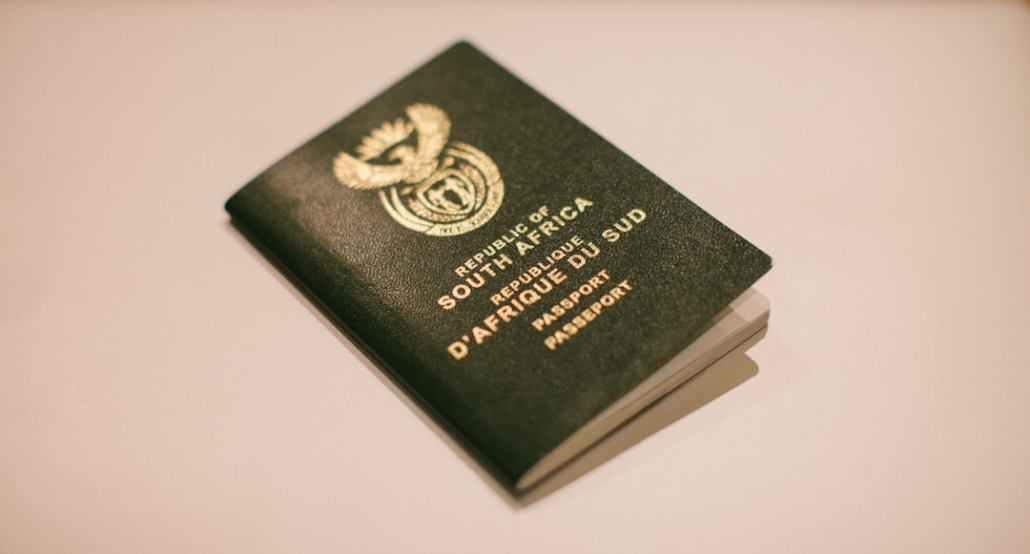
If you’ve been told you need an affidavit, your first instinct is probably to head to the local police station or magistrate’s court, sign a sworn statement in front of a friendly official, and call it done. That works perfectly well for most South African admin. But if the affidavit is heading overseas, that same document can come back rejected and useless.
The reason comes down to who watched you sign. A magistrate’s affidavit and a notary’s affidavit are both sworn statements, both signed under oath, both stamped on completion. Legally, though, they sit in two different lanes, and getting the wrong one is one of the most common reasons people end up in our office for a redo.
Here’s what actually separates them, and how to tell which one your situation calls for.
What an affidavit is, briefly
An affidavit is a written statement of fact that you swear, under oath, to be true. Lying on one is a criminal offence, which is why courts, banks, government departments, and foreign authorities treat them as serious evidence. The substance of the statement is your business. The legal weight comes from being signed in the presence of someone the law authorises to administer the oath.
That’s where the two paths diverge.
The magistrate (commissioner of oaths) affidavit
When most South Africans say “magistrate affidavit”, they really mean any affidavit signed before a Commissioner of Oaths. Magistrates are commissioners of oaths automatically, by virtue of office, but so are a long list of others under the Justices of the Peace and Commissioners of Oaths Act:
- SAPS officers above a certain rank
- Postmasters
- Bank managers
- Certain government officials
- Attorneys, advocates, and notaries
In practice, most people walk into a police station or a magistrate’s court and have it sorted in twenty minutes. There’s no fee. Commissioners of oaths are not allowed to charge for the service.
A commissioner of oaths affidavit is recognised inside South Africa for nearly every domestic purpose: SARS submissions, Home Affairs declarations, RAF claims, lost-document reports, lease agreements, and routine court matters. For staying within the country, it does the job.
The catch is geographic. Commissioners of oaths perform their duties for use within the Republic. The moment your document crosses a border, the commissioner’s stamp loses its weight.
The notary affidavit
A notary affidavit is sworn before a Notary Public. Every notary is also a commissioner of oaths, but the reverse isn’t true. Becoming a notary requires being an admitted attorney, then completing further legal study, passing a separate notarial examination, and being formally appointed by the High Court of South Africa. It’s a meaningfully higher bar.
When a notary attests to your affidavit, they verify your identity, witness your oath, and then attach a notarial certificate, signature, and embossed seal. That seal is the part that matters internationally. It’s the recognised mark that lets DIRCO, foreign embassies, and overseas institutions trust that the document was properly executed in South Africa.
A notary affidavit is also the starting point for legalisation. If your document needs an apostille for a Hague Convention country, or authentication for a non-Hague country, neither DIRCO nor the High Court will issue one on a document that hasn’t first been notarised. Skipping the notary step isn’t a shortcut, it’s a dead end.
Notaries charge for their work. Fees vary, but expect a few hundred rand for a standard affidavit, more for complex documents.
The differences that actually matter
Strip away the legal terminology and a few practical differences are what cause real problems for real people.
Who signs it
A magistrate or police affidavit can be witnessed by anyone holding a commissioner of oaths designation. A notary affidavit must be witnessed by an attorney admitted as a notary by the High Court.
Where it’s accepted
Magistrate or police affidavits work inside South Africa. Notary affidavits are the version foreign governments, foreign courts, foreign universities, and overseas employers will recognise.
What you can do with it next
A notary affidavit can be apostilled by DIRCO or authenticated by the relevant embassy. A magistrate affidavit can’t. If you go that route and then need legalisation, you’ll be redoing the affidavit before a notary anyway.
Cost
Commissioner of oaths affidavits are free by law. Notary affidavits carry a professional fee.
Liability
Notaries carry personal legal liability for what they certify. They can be sued, sanctioned, or struck off the roll for dishonest or negligent work. That accountability is part of why their seal travels.
When to use which
For domestic matters that stay in South Africa, a commissioner of oaths is enough. Address confirmations for the bank, lost-ID declarations to Home Affairs, supporting affidavits for a small civil claim, sworn statements for SARS, none of these need a notary, and paying for one is just paying for an upgrade you won’t use.
If the affidavit is going abroad in any form, you need a notary. That includes:
- Visa and immigration applications
- Foreign property purchases or transfers
- Overseas court proceedings or family law matters
- Enrolling a child at a foreign school
- Sponsorship affidavits for relatives abroad
- Statements supporting a foreign business transaction
In almost every one of those cases, the notarised affidavit will then need an apostille or authentication before it’s accepted. The notary stamp is step one, not the finish line.
The mistake we see most often
The painful version of this is the person who gets their affidavit done at the police station on a Saturday, couriers it overseas the following week, and only finds out at the foreign end that the document carries no international weight. By that point they’re paying for a second courier, redoing the affidavit before a notary, paying for the apostille, and missing whatever deadline the original document was meant to satisfy.
Asking the receiving party ( the embassy, the foreign attorney, the overseas employer ) exactly what form they need before you sign anything is the fastest way to avoid that loop. The answer almost always settles it.
Not sure which one you need?
If your affidavit is staying in the country, the police station or magistrate’s court will sort you out in a morning. If it’s heading anywhere else, or you’re not sure, talk to us first.
Quick Notary handles notarial affidavits, apostilles, and authentications for South Africans every day, both at home and abroad. We can tell you in one conversation whether your document needs a notary, a commissioner of oaths, or something more involved, and we’ll handle the legalisation leg if it does. Get in touch before you sign, and you’ll only need to do this once.



Leave a Reply
Want to join the discussion?Feel free to contribute!