
You’ve worked the points calculator, you’ve had a recruiter on a video call telling you the GP shortage / civil engineer shortage / chef shortage is real, and you’ve maybe even got an Accredited Employer Work Visa keeping the door open. Now comes the part nobody warns you about properly: the paper trail for your Skilled Migrant Category (SMC) application.

Immigration New Zealand (INZ) doesn’t ask for much that’s exotic. The list is shorter than what Australia or Canada wants. But the form those documents have to be in trips up almost every South African applicant we see, notarised when it shouldn’t be, apostilled when it didn’t need to be, translated by the wrong person, and six weeks lost.

Notary Requirements for the New Zealand Skilled Migrant Visa

The good news: New Zealand is a Hague country

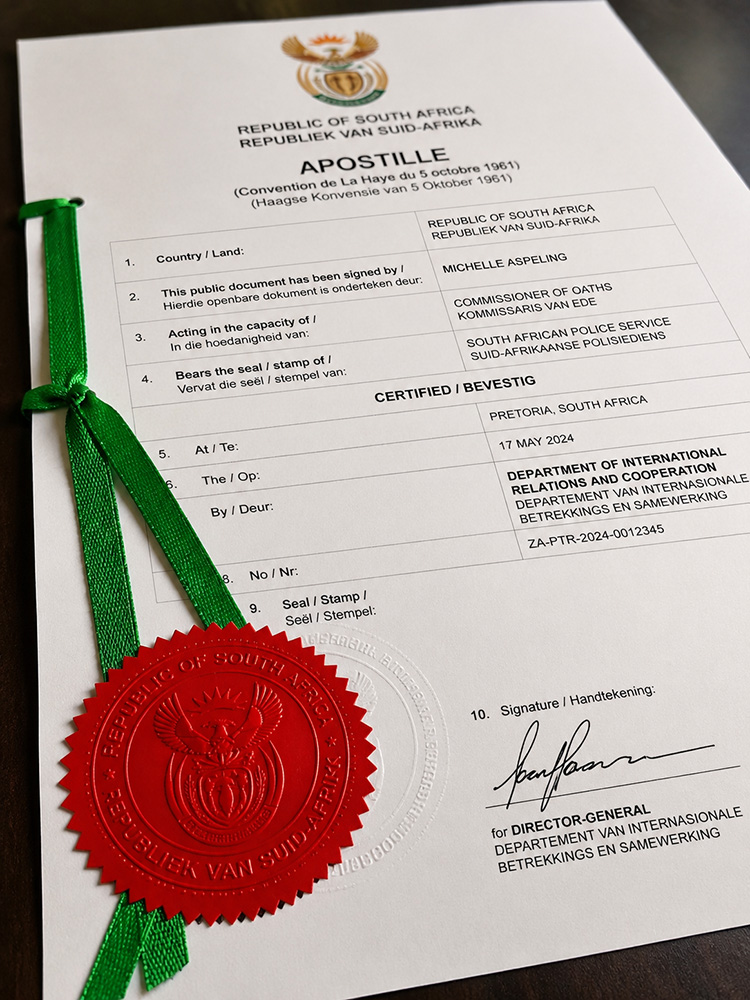
New Zealand joined the Hague Apostille Convention in 2001, and South Africa joined in 1995. That means a single apostille certificate from DIRCO or the High Court of South Africa is enough, INZ won’t ask you to send anything to the New Zealand High Commission for further legalisation.

Compare that to South Africans heading to the UAE or Saudi Arabia and you’ll appreciate the difference. One stamp, one route, done.

Where notarisation actually fits in

Here’s the thing INZ doesn’t shout about: a certified copy is enough for most documents. INZ accepts copies signed and stamped by an authorised certifier, a Commissioner of Oaths, a SAPS officer, a magistrate, or a notary public.

The notary becomes essential when the document needs to travel further than an INZ portal upload, typically because it’s heading for an apostille. Only certain signatures are on DIRCO’s specimen register, and a notary public’s is one of them. The friendly Commissioner of Oaths at your local Postnet generally is not. So if a document needs to be apostilled, the underlying certification has to come from someone DIRCO recognises.

The other place a notary is unavoidable is on private documents that don’t exist as government records, affidavits, statutory declarations, powers of attorney, sworn translations. Without a notary’s signature and seal, these don’t count.

The SMC document list, sorted

Here’s how the typical SMC bundle breaks down for a South African applicant.

Certified copies: apostille not needed

These get scanned and uploaded to your INZ portal. A notary or Commissioner of Oaths certification is fine.

  • Passport photo page and a recent passport-sized photograph
  • Job offer letter from your accredited New Zealand employer
  • Employment reference letters from past employers
  • CV and any supporting work history
  • IELTS or other English test results, INZ verifies these directly with the test provider
  • SARS earnings summary if you’re claiming work-experience points

Apostille recommended: straight from DIRCO, no notary first

These are state-issued public documents. INZ will technically accept certified copies, but applicants whose police clearance and qualification documents are apostilled tend to get fewer queries and faster decisions.

  • Unabridged birth certificate for you and any dependants
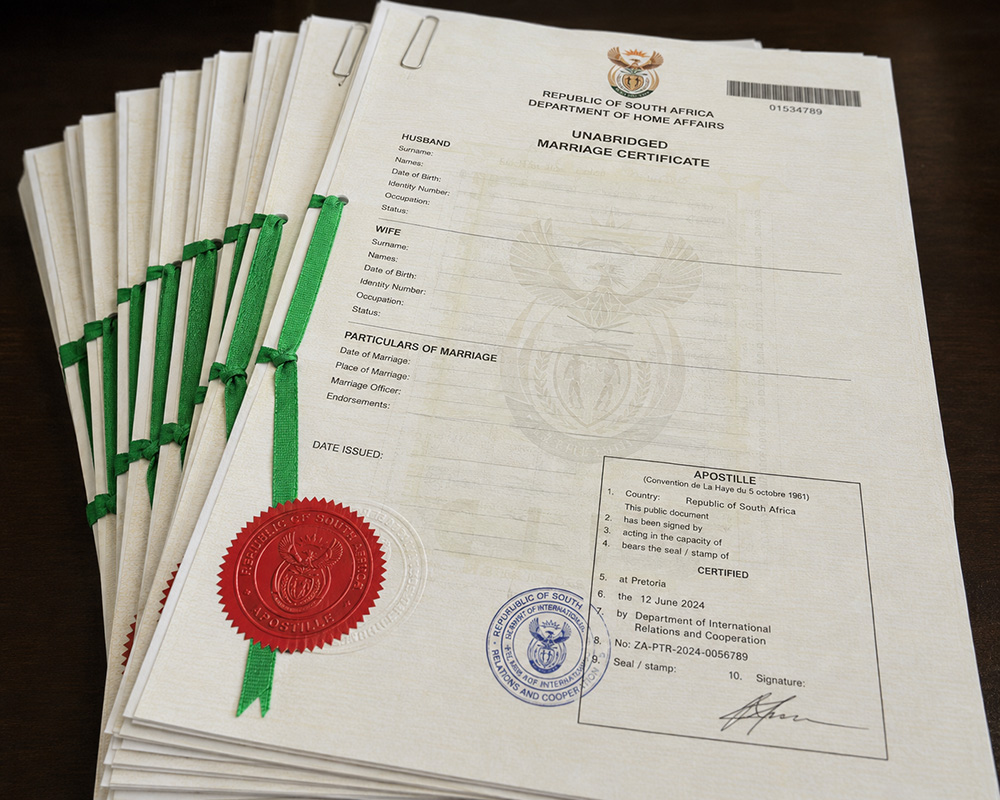
  • Unabridged marriage certificate, if you’re bringing a partner
  • Decree of divorce or death certificate of a former spouse, where applicable
  • SAPS police clearance certificate: must be less than 6 months old when you submit
  • Degree certificates and academic transcripts: needed for the NZQA International Qualifications Assessment (IQA), which most SMC applicants must complete first

Notarisation required, then an apostille

These are private documents. A notary drafts or witnesses them, signs and seals them, and only then can they be apostilled.

  • Affidavits: explaining gaps in employment, name changes, or relationship history
  • Statutory declarations: confirming identity details where birth records are incomplete
  • Powers of attorney: for someone in SA managing your bond, your tenants, or a sale while you settle in
  • Sworn translations: if any document is in Afrikaans or another language and the translator’s signature needs to be apostilled
  • Partnership/de facto declarations: if you’re including an unmarried partner

A useful rule of thumb: if a real person signed it on letterhead, it probably needs a notary. If a government department issued it with an embossed seal, it probably doesn’t.

Notary Requirements for the New Zealand Skilled Migrant Visa

A realistic timeline

This is where most SMC plans go sideways. Email-speed assumptions don’t survive contact with Home Affairs or SAPS.

  • Unabridged birth certificate from Home Affairs: 6 to 8 weeks if it has to be reissued
  • SAPS police clearance: 8 to 12 weeks during busy periods
  • NZQA International Qualifications Assessment: about 35 working days from a complete file
  • Notarisation: same-day for most jobs, if the notary is responsive
  • High Court apostille: roughly 3 working days
  • DIRCO apostille: 3 to 4 weeks normally, 6 to 8 weeks during peak

If you’ve got a job offer with a start date 90 days out, the SAPS clearance and the NZQA assessment are the bottlenecks. Start them first. Notarisation you can knock out in a single afternoon at the end.

What tends to derail SMC applicants

A few patterns we see almost every week:

  • Submitting the abridged birth certificate. INZ wants the unabridged version with both parents’ details. The short one Home Affairs prints by default doesn’t work.
  • Translations done by the wrong person. A friend who speaks Afrikaans isn’t enough. INZ wants a sworn translator, and if the translation is being apostilled, a notary’s certification of the translator’s signature.
  • Modifying an apostilled document — writing on it, stapling something to it, punching holes. The apostille certifies the document in its exact state at that moment. A new ink mark technically invalidates it.
  • Apostilling things that don’t need it. Your CV doesn’t need an apostille. Your job offer doesn’t either. DIRCO won’t even apostille them, because they aren’t on the recognised-signature register.
  • Forgetting third-country police clearances. If you’ve spent 12 months or more in any other country in the last 10 years ( UK, UAE, Australia ) INZ wants a clearance from each, legalised under that country’s own rules.

Where we fit in

Most of our SMC clients arrive in one of three states: they’ve gathered everything and want it notarised, certified, and apostilled in a single coordinated run; they’re stuck on a single problem like a missing birth certificate or an affidavit they don’t know how to draft; or they’re already in New Zealand and need a power of attorney for a family member back home to handle a sale or a bank matter.

For each, we work the same way, clear quote up front, all documents handled in-house by an admitted attorney and notary, courier to and from DIRCO or the High Court, and a digital scan of every legalised document so you have a record before the originals reach you.

If you’ve just had your Expression of Interest selected and you’re staring at the document list wondering what goes where, send us your INZ checklist on WhatsApp. We’ll map out the right route for each item and come back with a quote and a realistic timeline within one working day.


The Golden Visa offer arrives at the end of a long week. A recruiter in Dubai Marina has lined up a senior engineering role, the salary clears the AED 30,000 threshold, and the company says they’ll sponsor the application “as soon as you send through your attested documents.” You assume that means a quick run to DIRCO. It doesn’t.

The UAE is one of the trickier destinations for South African paperwork, mostly because it sits outside the Hague Apostille Convention. That single fact changes the route, the cost, and the timing for every document you submit. Here’s how the chain actually works and what you’ll need in the pack.

First, a quick myth-buster: it isn’t really an apostille

Most South Africans use “apostille” as shorthand for any document legalisation. For Hague countries (the UK, Canada, Germany, the Netherlands and 120 others), that’s accurate. For the UAE, it isn’t.

The UAE has not signed the Hague Convention, so DIRCO won’t apostille a document for Dubai. Instead, DIRCO issues a Certificate of Authentication, which then has to be attested by the UAE Embassy in Pretoria, and finally re-attested by MOFAIC (the UAE’s Ministry of Foreign Affairs and International Cooperation) once the document lands in Dubai. Three stamps, three offices, three queues.

If a service provider quotes you “an apostille for Dubai,” ask them which embassy step they’re including. The answer tells you whether they actually know the route.

Apostille for the Dubai Golden Visa A South African Document Checklist

The Golden Visa categories, and which one drives your document list

The documents you need depend on the route you qualify under. The four most common for South Africans are:

  • Skilled Professional: Bachelor’s degree, monthly basic salary of at least AED 30,000, an employment contract, and a job classified at MoHRE Level 1 or 2 (engineers, doctors, IT specialists, legal consultants and similar)
  • Investor: AED 2 million in property (completed, not off-plan, held for at least two years) or in a regulated UAE investment fund
  • Entrepreneur: a project valued at AED 500,000 minimum with approval from an accredited UAE business incubator
  • Exceptional Talent: endorsement from a UAE federal authority (Ministry of Culture for artists, Ministry of Economy for inventors, General Authority of Sport for athletes, and so on)

Each route has its own evidence pack, but a substantial chunk of the paperwork is shared.

The shared core: documents almost every applicant needs

Whichever category you go for, expect the following to be on the embassy’s list.

Personal civil documents

  • Unabridged birth certificate from Home Affairs, with the embossed seal
  • Unabridged marriage certificate if your spouse is joining you
  • Decree of divorce if previously married and you’re including a new partner
  • Police clearance certificate from SAPS, original document only
  • Notarised copy of your passport with all data pages and any used visa pages

Educational documents

  • Original degree certificate from a recognised South African university
  • Academic transcript for the same qualification
  • SAQA evaluation (the South African Qualifications Authority assessment confirming the level and accreditation of your degree)
  • MoE equivalency certificate – issued by the UAE Ministry of Education in Dubai once your degree lands there, but you can’t apply for it until your SA documents have cleared the embassy chain

The MoE equivalency rule has tightened. Since late 2024, Dubai’s GDRFA has been requesting equivalency certificates for a wider band of Skilled Professional and Specialist applications, and a missing equivalency is now one of the most common reasons a Golden Visa file gets parked.

Employment and financial documents

  • Employment contract signed by both parties, on company letterhead
  • Salary certificate or recent payslips confirming the AED 30,000 threshold
  • Letter from your current SA employer confirming role, tenure and salary, if you’re transferring within a group
  • Bank statements for the past six months
  • For investors: title deeds, share certificates, audited financials, or fund statements

Sorting the pack: what gets notarised and what doesn’t

A few rules worth memorising before you start.

Goes straight to DIRCO (no notary needed, because the document is already a state-issued original):

  • Unabridged Home Affairs certificates
  • SAPS police clearance with the embossed seal
  • Degree and transcript with original university signatures and seals (most public universities qualify, but check)

Needs notarisation first, then DIRCO authentication, then embassy attestation:

  • Passport copies
  • Affidavits and statutory declarations
  • Powers of attorney (often used so a family member can finalise property transfers, tax matters or a vehicle sale while you’re settling in Dubai)
  • Translations into Arabic if any document is in Afrikaans only (rare, but it happens with older qualifications)
  • Employer letters, accountant letters, salary certificates from private companies – anything signed by a person rather than a state authority

The general rule: if a real human signed it on letterhead, it needs a notary first. If a department issued it with a seal, it usually doesn’t.

The chain, stamp by stamp

Here’s the path each document follows, in order:

  1. Notarisation by a South African notary public (an admitted attorney with extra qualifications) – only required for private documents
  2. DIRCO authentication in Pretoria, which produces the Certificate of Authentication
  3. UAE Embassy attestation in Pretoria, which adds the embassy stamp and is the step that distinguishes UAE paperwork from Hague-country paperwork
  4. MOFAIC attestation in the UAE itself, usually handled by your sponsor, your PRO, or a Dubai-based service once the documents arrive

Skip a stamp and the next office in the chain will simply hand it back. There is no shortcut.

Realistic timing

A planning rule for Golden Visa applicants:

  • SAPS police clearance: 14 to 20 working days
  • Notarisation: same day for most jobs
  • DIRCO authentication: 5 to 10 working days
  • UAE Embassy attestation in Pretoria: 3 to 7 working days
  • MOFAIC in the UAE: 2 to 5 working days

Add international courier and you’re looking at four to seven weeks for the full chain on a normal run. Plan for longer if your SAPS application catches a fingerprint backlog or your degree is from a private institution that takes its time releasing originals.

Cost-wise, the embassy charges AED 150 per ordinary document and AED 2,000 per commercial document, payable in rand at the prevailing rate, on top of the DIRCO and notary fees.

What tends to derail Golden Visa applications

A few patterns we see almost weekly:

  • Submitting an apostille (instead of an authentication) and being turned away at the embassy
  • Sending an abridged birth certificate to DIRCO ( only unabridged originals are accepted ).
  • Forgetting the SAQA evaluation, which the embassy expects to see clipped to the degree pack
  • Trying to attest a salary letter that’s been signed digitally only, with no wet-ink signature for the notary to verify
  • Leaving translation until the embassy stage, when it should happen before notarisation

Most of these add two to three weeks each. Stack two of them and your start date in Dubai starts to slide.

Where we fit in

Quick Notary handles the full UAE chain for Golden Visa applicants, notarising what needs notarising in-house, running documents through DIRCO and the embassy in Pretoria, and couriering the finished pack to your sponsor or PRO in Dubai, Abu Dhabi or Sharjah. Our notaries are admitted attorneys, which the embassy and DIRCO both require.

If your offer letter has just landed and you’re staring at the embassy’s checklist wondering where to start, send it to us on WhatsApp and we’ll map out the right route for each document, including which items need a SAQA evaluation, which need a notary, and which can skip straight to authentication. The planning call costs you nothing and tends to save the kind of timing scramble that makes a relocation date wobble.

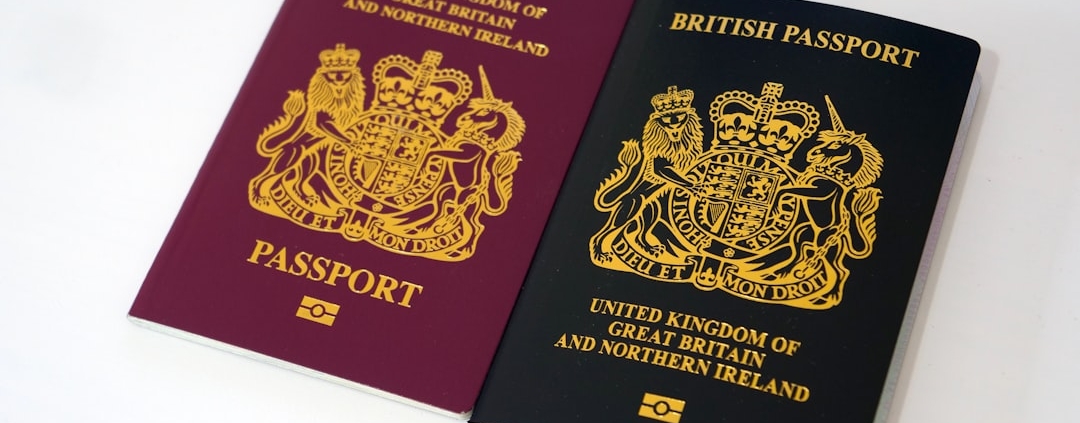
You’ve got the Certificate of Sponsorship in your inbox, the start date is six weeks out, and your new manager in Manchester is already asking about onboarding. Then comes the email from your immigration solicitor: please send the apostilled originals of the following documents. Just like that, your Skilled Worker visa application has turned into a paperwork project you didn’t plan for.

The UK is one of the easier destinations for South African paperwork, but only if you understand which documents need to be notarised, which need to be apostilled, and in which order. Get the order wrong and your visa lodgement slips by weeks.

The good news: the UK is a Hague country

The UK has been part of the Hague Apostille Convention since 1965, and South Africa joined in 1995. That means a single apostille certificate from DIRCO or the High Court of South Africa is enough, UK Visas and Immigration won’t ask you to send anything to the British High Commission for further legalisation.

Compare that to South Africans heading to the UAE or Saudi Arabia for a similar role and you’ll appreciate the difference. One stamp, one route, done.

When notarisation comes into the picture

Apostille and notarisation aren’t the same thing, and people lose weeks confusing the two.

An apostille is a government-issued certificate that confirms the official document underneath it is genuine. DIRCO and the High Court can apostille public documents ( things issued by Home Affairs, SAPS, or a recognised university) directly.

Notarisation happens before that. A notary public (an admitted attorney with extra qualifications) certifies private documents, copies, signatures, or sworn statements so that they become eligible for an apostille. The High Court will only apostille a document that has a notary’s signature and seal on it. DIRCO will only apostille originals issued by the state.

So the question for every document on your Skilled Worker pack is: does this go straight to DIRCO, or does it need a notary first?

The Skilled Worker document list, sorted

Here’s how the typical Skilled Worker bundle breaks down for a South African applicant.

Goes straight for an apostille (no notary needed)

  • Unabridged birth certificate: original from Home Affairs, for you and any dependants
  • Unabridged marriage certificate: if you’re bringing a spouse
  • Decree of divorce: if you’ve been married before and your new partner is on the application
  • South African Police Clearance Certificate: original SAPS document with the embossed seal
  • Degree certificates and academic transcripts: only if issued by a public South African university with original signatures and seals (private institutions and older qualifications often need a notary first)

Needs notarisation first, then an apostille

  • Sworn affidavits: for example, confirming cohabitation history or a name change
  • Notarised copies of your passport: UK Visas and Immigration sometimes want a certified copy if your original is in use elsewhere
  • Powers of attorney: typically for someone in SA managing your bond, your tenants, or a sale while you settle in the UK
  • Translations: if any document is not already in English (rare for South African paperwork, but it happens with older Afrikaans-only certificates)
  • Letters from former employers, accountants, or universities: the notary verifies the signatory’s identity and signature
  • Statutory declarations: used for things like single-status confirmation or proof of dependant relationships

A useful rule of thumb: if a real human signed it on company letterhead, it probably needs a notary. If a government department issued it with a seal, it probably doesn’t.

Notarising Documents for the UK Skilled Worker Visa

Documents the Skilled Worker route doesn’t actually need apostilled

Some documents UK Visas and Immigration ask for don’t need any of this faff at all. Your Certificate of Sponsorship is a digital reference number, there’s nothing to apostille. Your TB test certificate comes from a Home Office-approved clinic in Sandton or Cape Town and goes in as-is. Your financial evidence showing the £1,270 sat in your account for 28 days is just a bank statement.

The trap is that people assume everything needs an apostille and end up paying to apostille things that should have stayed plain. Save yourself the cost.

Timing and why it bites

UK Skilled Worker applications run on a 90-day window from the date your CoS is issued, which sounds generous until you’re chasing a SAPS fingerprint result.

A realistic timeline for South African applicants:

  • SAPS police clearance: 14 to 20 working days for the certificate itself
  • Notarisation: same-day for most jobs, if the notary is responsive
  • High Court apostille: roughly 3 working days
  • DIRCO apostille: 3 to 4 weeks on a normal week, 6 to 8 weeks during peak periods

The High Court route is faster but only available for documents that have been notarised first. DIRCO is the only route for state-issued originals like Home Affairs certificates and SAPS clearances.

Don’t ignore what’s happening on the UK side either. The general salary threshold sits at £38,700 and is set to climb to £41,700, and policy keeps tightening. The faster you submit, the less rule-shifting you have to manage.

What tends to derail people

A few patterns we see almost every week:

  • Applying for the apostille before the document was properly notarised. The High Court rejects it, two weeks gone.
  • Sending an abridged birth certificate to DIRCO. Since the September 2024 tightening, only unabridged originals are accepted.
  • Booking the TB test before checking the clinic is on the Home Office list — results from anywhere else are invalid.
  • Assuming a JP-certified copy will work. JPs can certify for South African purposes, but UKVI and DIRCO want a notary’s seal.
  • Leaving the apostille step until after lodgement, then scrambling when the Home Office requests originals.

Most of these are five-minute mistakes that cost three weeks to undo.

Where we fit in

Quick Notary handles the whole chain for Skilled Worker applicants, notarising what needs notarising in-house (our notaries are admitted attorneys), running documents to DIRCO or the High Court, and couriering finished packs to wherever you are. London, Edinburgh, Belfast, Aberdeen, we’ve shipped to all of them, and to a fair few villages no one outside the UK has heard of.

If you’ve just received your CoS and you’re staring at the document list wondering what goes where, send us your sponsor’s request list on WhatsApp and we’ll map out the right route for each item. A planning call costs you nothing, and tends to save the kind of timeline panic that makes the start date wobble.

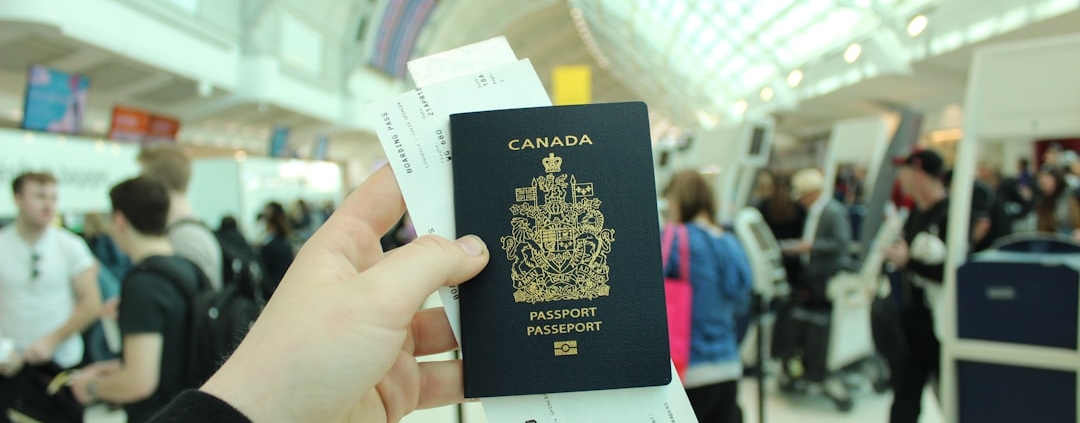
You’ve spent eighteen months building your Express Entry profile. The CRS score finally clears, the IELTS is filed, and then it lands: an Invitation to Apply from IRCC, with a 60-day clock attached. Suddenly the bottleneck isn’t your score, it’s a stack of South African documents that need to be authenticated correctly before they’re worth anything in Ottawa.

The good news for South Africans applying for Canadian permanent residence (PR)  is that the authentication route in 2026 is dramatically simpler than it was two years ago. The bad news is that most online guides still describe the old one.

Canada is now a Hague country

The biggest change happened on 11 January 2024, when Canada joined the Hague Apostille Convention. South Africa has been a member since 1995. Before Canada’s accession, a South African document destined for IRCC had to be authenticated by DIRCO and then legalised by the Canadian High Commission in Pretoria.

Two queues, Two fees, Two timelines.

That second step is gone. A South African public document with a single apostille from DIRCO or the High Court is now legally recognised in Canada without any further consular step. If you’re reading older blog posts that describe sending things to the Canadian High Commission, ignore them.

Document Authentication for Canadian Express Entry Applicants

Apostille vs notarisation: which one your document needs

People lose weeks confusing these two. They are not interchangeable.

An apostille is a government-issued certificate that confirms the underlying document is genuine. It’s attached by either DIRCO or the High Court of South Africa, depending on the document type.

Notarisation happens before an apostille. A notary public — an admitted attorney with extra qualifications — certifies private documents, copies, signatures, or sworn statements so they’re eligible for an apostille at all. The High Court won’t apostille anything that doesn’t already carry a notary’s seal. DIRCO won’t apostille a notarised document; it only handles state-issued originals.

So for every Express Entry document, the question is: does this go straight to DIRCO, or does it need a notary first?

The Express Entry document list, sorted

Here’s how the typical IRCC bundle breaks down for a South African applicant.

Goes straight for an apostille at DIRCO

  • Unabridged birth certificate: original from Home Affairs, for you and any dependants
  • Unabridged marriage certificate: if you’re including a spouse
  • Decree of divorce: if you’ve been married before and your current partner is on the application
  • South African Police Clearance Certificate: original SAPS document with the embossed seal
  • Degree certificates and academic transcripts: only if issued by a public South African university with original signatures and seals

Needs notarisation first, then a High Court apostille

  • Sworn affidavits: for example, explaining a name change, an employment gap, or a missing document
  • Notarised copies of your passport: IRCC sometimes wants a certified copy when the original is needed elsewhere
  • Powers of attorney: for a family member or attorney managing property, banking, or further document requests after you leave
  • Reference letters from past employers: the notary verifies the signatory’s identity and signature
  • Translations: uncommon for South African paperwork in English, but Afrikaans-only certificates from older marriages or qualifications do come up
  • Statutory declarations: for things like single-status confirmation or dependent relationship proof

Useful rule of thumb: if a state department issued it with a seal, DIRCO. If a real human signed it on letterhead, a notary first.

Documents Express Entry doesn’t actually need apostilled

A surprising amount of the IRCC pack needs no authentication at all, and people waste money apostilling things that should stay plain.

The Educational Credential Assessment report from WES is generated in Toronto, nothing to apostille on the South African side. WES requests transcripts directly from your university, so the original transcript usually doesn’t need a notary either. Your language test results (IELTS, CELPIP, TEF) come from the testing body in a format IRCC already trusts. Your proof of funds is a bank letter and statements, submitted as-is.

Save the apostille fees for the documents that actually need them.

A realistic timeline

The 60-day post-ITA window sounds generous until you map it against South African processing times.

  • SAPS police clearance: officially 14 working days, realistically 8 to 12 weeks when SAPS is busy. Start this before your ITA arrives.
  • Unabridged Home Affairs certificates: 6 to 8 weeks if you don’t already have them. Order early.
  • Notarisation: same day for most jobs.
  • High Court apostille: roughly 3 working days.
  • DIRCO apostille: 3 to 4 weeks on a normal week, 6 to 8 weeks during peak periods.
  • International courier to Canada: 3 to 5 working days with tracking.

If your police clearance and unabridged certificates aren’t already in motion when the ITA email arrives, the 60-day deadline becomes uncomfortably tight. Applicants who submit on time almost always started the document side the moment their CRS score crossed the cut-off range, not the moment they were invited.

What trips Express Entry applicants up

A few patterns we see week after week:

  • Sending an abridged birth or marriage certificate to DIRCO. Only unabridged originals are accepted, and Home Affairs queues are not forgiving.
  • Getting a document apostilled, then making a change to it, adding a witness signature, signing a fresh page, which voids the apostille.
  • Using a Commissioner of Oaths for an affidavit that the High Court will only apostille if it has a notary’s seal.
  • Apostilling a transcript that WES is going to request directly anyway.
  • Forgetting that translations may need to be notarised separately, depending on how IRCC wants them presented.
  • Letting the SAPS clearance expire mid-process. Most provinces give it a 6-month shelf life for IRCC purposes, so the order of operations matters.

Almost all of these are five-minute decisions that cost three weeks to undo.

A note on documents from third countries

If you’ve lived in another country for more than six months in the last ten years, common for South Africans ( with stints in the UAE, the UK, or Saudi Arabia ) IRCC will want a police clearance from there too. Authentication for those follows the issuing country’s rules, not South Africa’s. We can usually point you in the right direction even when the document isn’t ours to authenticate.

Where we fit in

Quick Notary handles the South African leg of Express Entry document packs every week, notarising what needs notarising in-house (our notaries are admitted attorneys), running originals to DIRCO or the High Court, and couriering finished bundles to Toronto, Vancouver, Calgary, or wherever your settlement plan lands.

If your ITA has just arrived and you’re staring at IRCC’s checklist trying to work out what goes where, send us the list on WhatsApp. We’ll map the right route for each item, flag what you can start in parallel, and give you a realistic finish date inside the 60-day window. A planning call costs nothing, and it’s usually the difference between a calm submission and a courier panic at week eight.