
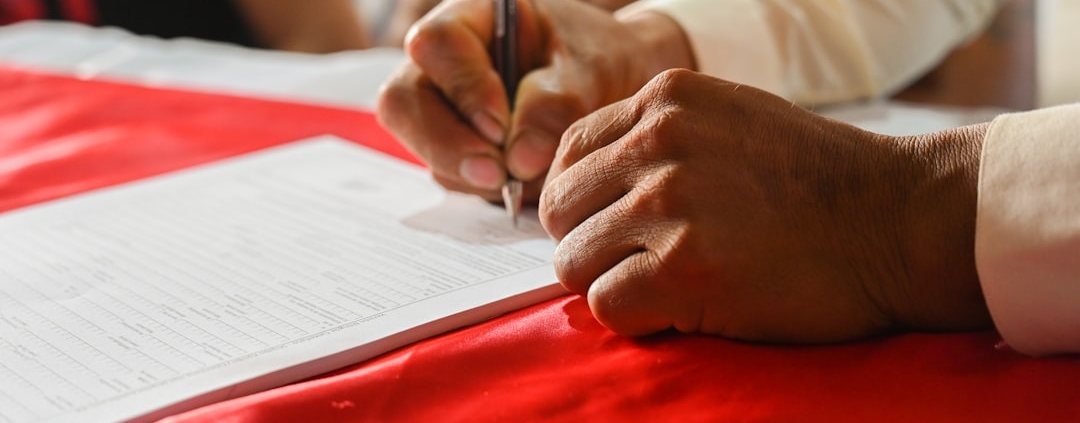
It’s one of those questions that sounds straightforward but trips people up the moment they’re standing in a notary’s office, document in hand, wondering if they brought enough warm bodies. Short answer: yes, a notary can witness signature, that’s actually a core part of what they do. But “witnessing” in the everyday sense (the person who scribbles their name in the witness box at the bottom of the page) and “witnessing” in the notarial sense are not the same thing, and conflating them is where the trouble starts.
Here’s how it actually works in South Africa.
What a notary does, in plain terms
A notary public in South Africa is an admitted attorney who has gone the extra mile, additional study, a separate exam, and a formal appointment by the High Court. Their day job is authenticating signatures, verifying identity, attesting to the contents of documents, and putting their seal on paperwork that needs to carry weight beyond domestic borders.
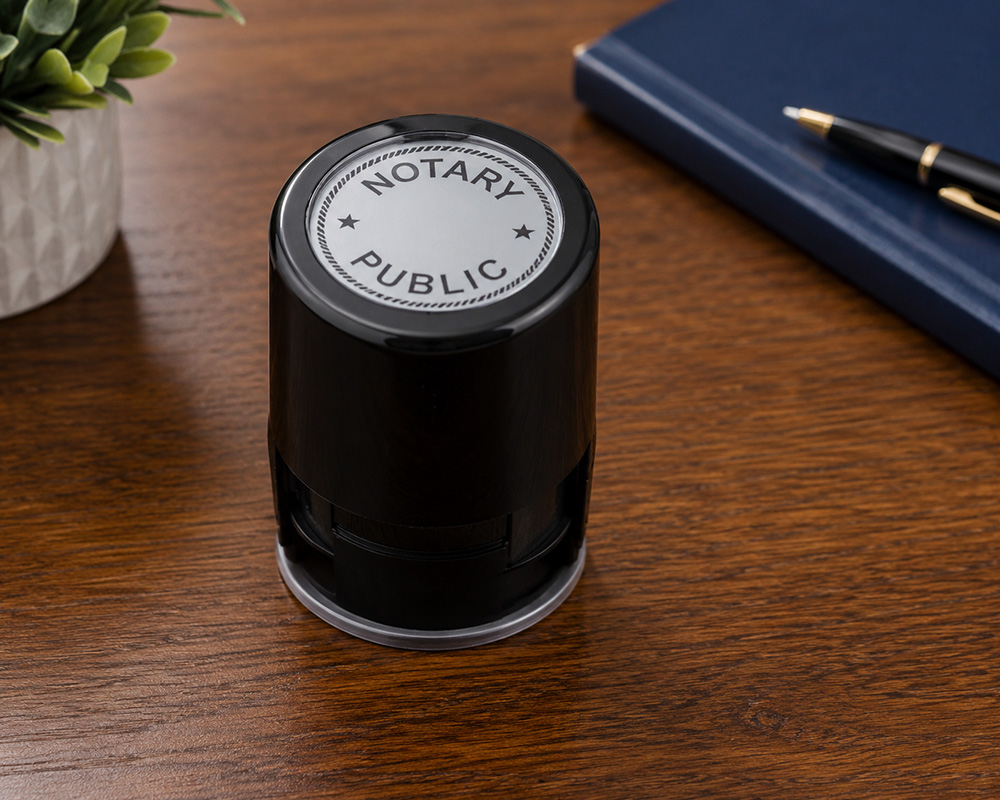
When a notary watches you sign a power of attorney or an affidavit and then stamps it with that embossed seal, they are witnessing your signature. They sign their own name, they note the date, and they certify that you appeared in front of them, identified yourself, and signed of your own free will.
So if the question is “did the notary witness me sign?” then yes, by definition.
Where the confusion creeps in
The trouble usually comes from documents that require independent lay witnesses in addition to the notary. Think wills, antenuptial contracts, certain consent letters, or documents going to specific foreign jurisdictions that demand two witnesses on top of notarial attestation.
In those cases, the notary’s role is the official one: they attest, certify, and seal. The two witness lines below your signature are meant for someone else, typically a person over the age of 14 who is competent to give evidence in court if it ever comes to that. The notary isn’t filling those slots.
It isn’t that they legally can’t in every situation. It’s that mixing the two roles defeats the point. A witness exists to provide independent corroboration: someone who saw you sign, who isn’t a party to the document, and who can later be called on to confirm what happened. The notary is already the certifying official, so asking them to also play one of the lay witnesses collapses two checks into one.
The antenuptial contract example
Antenuptial contracts are a useful example. Both parties have to appear in front of the notary, originals of identification in hand, and the contract is registered as a notarial deed. South African practice requires two competent witnesses, over 14, mentally capable, present at the signing, in addition to the notary executing the deed.
If you turn up alone with your fiancé and assume the notary will sign as witness, you’ll be asked to find someone else. The notary’s signature appears on the contract as the executing notary, not as one of the two witnesses. Many notary offices keep staff on hand precisely so clients aren’t left scrambling.
Affidavits and commissioners of oaths
Affidavits work differently. When you swear an affidavit before a commissioner of oaths, a magistrate, a SAPS officer, an attorney, or a notary acting in that capacity, there’s no separate “witness” line. The commissioner is the one witnessing your oath, and their signature and stamp do the work.
If a form has a witness block sitting above the commissioner’s section, that’s a sign the document was probably designed for a different purpose. Have a chat with the receiving institution before you sign anything, pre-signed forms are one of the most common reasons appointments have to be redone.
Documents going overseas
This is where Quick Notary sees the most uncertainty. Foreign jurisdictions don’t all want the same thing. Some Hague Convention countries are happy with a notary’s attestation followed by an apostille. Others want two independent witnesses on the document itself, plus the notarial certificate, plus an apostille or authentication on top.
A US power of attorney, for instance, may require two witnesses and notarial acknowledgment. A document destined for the UAE will go a different route entirely, ending in DIRCO authentication and embassy legalisation. The signing requirements for the destination country dictate whether you need extra witnesses, not the notary’s preference.
The practical upshot: ask before you sign. The receiving party, the bank, the court, the immigration office, knows what its own procedures require, and a quick email confirming the format saves a return trip.
Can the notary’s staff witness?
Yes, and it’s common practice, provided they are competent adults who actually saw you sign. They aren’t parties to the document and have no interest in its outcome, which makes them suitable independent witnesses. Notaries who handle a lot of cross-border work tend to have at least one or two staff members ready to step in.
Family members can also witness in most cases, but be cautious with documents like wills, where a witness who is also a beneficiary risks invalidating their own bequest. When in doubt, lean on a neutral third party.
A simple way to think about it
Picture two distinct jobs at the same signing:
- The notary is the official: they verify who you are, watch the signature happen, and put their seal on the result so it’s recognised abroad.
- The witnesses are the lay observers: ordinary, unconnected people who can later confirm the signing took place.
A notary always does the first job. Whether the second job is also needed depends on the document and where it’s going.
When to call ahead
If you’re not sure what your document requires, send a scan to the notary’s office before your appointment. A quick read-through usually surfaces whether you need to bring witnesses with you, or whether the notary’s office can cover that part. It’s a five-minute conversation that prevents the much longer scramble of organising a second visit because something was missing.
Quick Notary handles signings, witnessing arrangements, and the full apostille and authentication process for documents heading overseas. If you’d like a hand sorting out exactly what your document needs, and who needs to sign where, get in touch and we’ll talk it through before you commit to anything.
